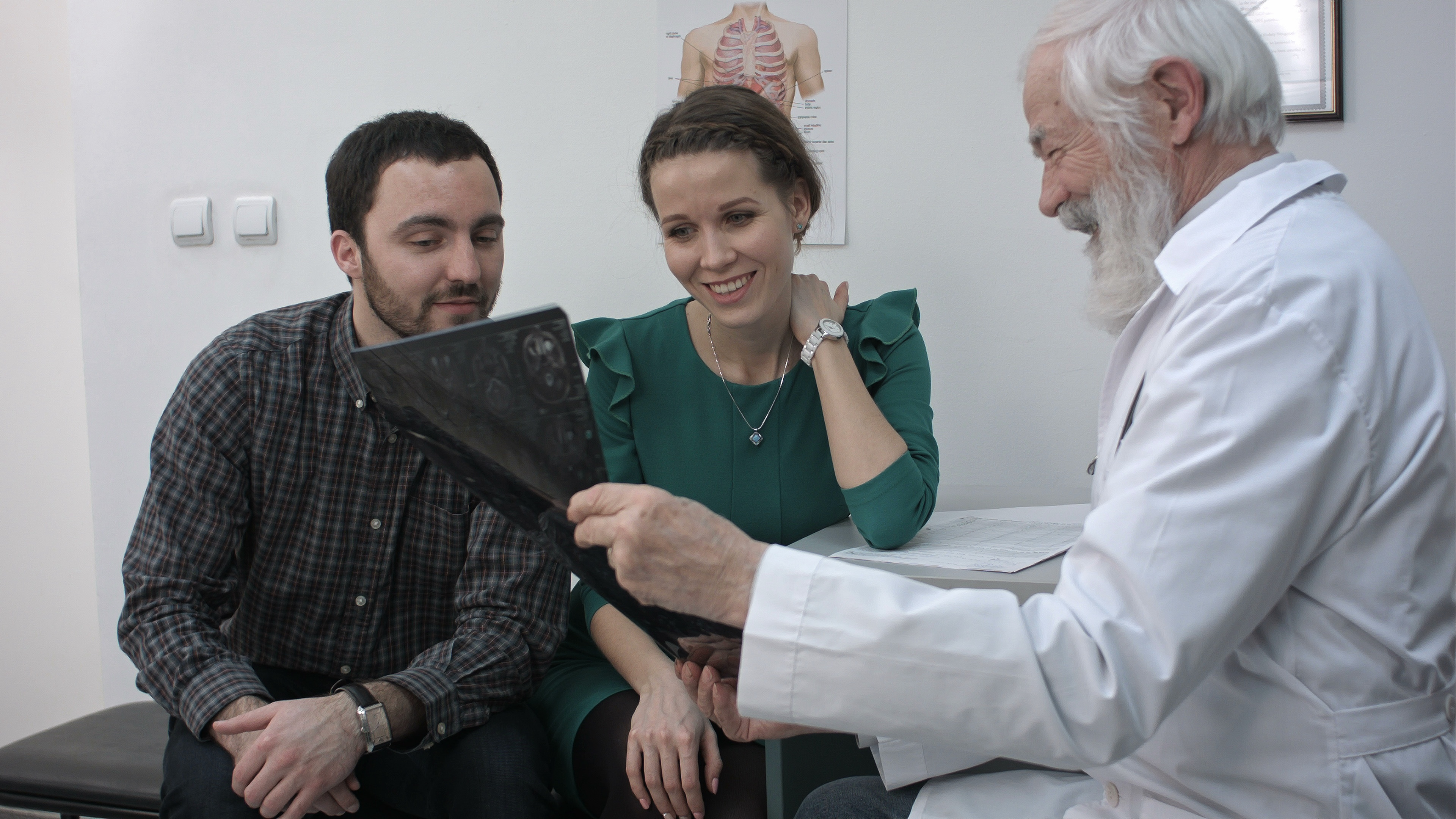
Direct Primary Care (DPC) in Akron: What It Covers & What It Doesn’t
Direct Primary Care (DPC) in Akron: What It Covers & What It Doesn’t
Direct Primary Care (DPC) is a different way to do primary care. Instead of paying only when you’re sick (and trying to fit into a busy schedule of short appointments), you pay a simple monthly membership for ongoing access to your primary care.
For many adults in Akron, DPC feels like a relief: more time with your doctor, quicker answers, and a plan that focuses on staying well—not just “putting out fires.”
This guide will walk you through what DPC usually covers, what it doesn’t, and how to decide if it fits your life.
What Direct Primary Care (DPC) is—plain and simple
DPC is a membership model for primary care.
- You pay a monthly fee.
- You get better access to your primary care clinician.
- Visits are typically longer and less rushed.
- The focus is strongly on prevention, long-term health goals, and early problem-solving.
If you want the deeper overview of how it works, you can read the details on the Direct Primary Care membership page.
What DPC usually covers
While every clinic’s membership is a little different, DPC is designed to cover the core work of primary care—the things most people need throughout the year.
1) Longer, relationship-based primary care
DPC is built for the kind of care that’s hard to squeeze into a 10–15 minute visit.
That includes:
- Reviewing your full health story
- Talking through symptoms in a calm, thorough way
- Connecting the dots between sleep, stress, nutrition, and lab trends
- Building a plan you can actually follow
2) Preventive care and wellness planning
DPC is a great fit if you’re proactive and want to stay ahead of health issues.
Common preventive topics include:
- Annual wellness planning
- Blood pressure and heart risk review
- Weight and metabolic health support
- Screening recommendations based on age and family history
- Habit coaching (sleep, movement, stress)
Many people like pairing DPC with a prevention mindset. If you want to learn more about what prevention can look like in primary care, explore the preventive care approach.
3) Sick visits for everyday problems
DPC is still “real-world” primary care. It typically includes help for common issues like:
- Colds, flu, sinus infections
- Urinary symptoms
- Rashes and minor skin issues
- Headaches
- Back pain and minor injuries
- Allergies
Because you have easier access, you often get answers sooner—before a small problem becomes a bigger one.
4) Chronic condition support
If you’re managing an ongoing condition, DPC can help you stay consistent.
Examples include:
- High blood pressure
- Prediabetes or diabetes
- Thyroid concerns
- Anxiety or depression support (as appropriate in primary care)
The big difference is the pace: instead of “see you in 6 months,” DPC often makes it easier to check in, adjust your plan, and keep moving forward.
5) Telehealth and quick questions
One of the most practical benefits of DPC is access. When something comes up, you often don’t want to wait weeks.
Depending on the clinic, DPC commonly supports:
- Telehealth visits
- Follow-ups without a long delay
- Fast guidance when you’re not sure what to do next
What DPC typically does NOT cover
This is where clarity matters. DPC covers primary care access and many common services, but it’s not a replacement for insurance and it’s not meant to cover every medical cost.
Here are common “not included” areas.
1) Specialist care
If you need a cardiologist, dermatologist, orthopedic specialist, or other specialty care, that is usually outside the membership.
The good news: DPC can still help by coordinating your care—making a thoughtful referral, sharing relevant history, and helping you understand the plan.
2) Hospital care and emergency services
DPC is not emergency medicine.
- ER visits
- Hospital stays
- Surgeries
- Ambulance services
These are generally billed separately and are typically handled through insurance.
3) Imaging and advanced testing
Some tests may be available through primary care, but larger services often aren’t included in DPC membership, such as:
- MRI/CT scans
- Many ultrasound studies
- Hospital-based testing
Your DPC clinician can still help you decide what’s truly needed (and what’s not), so you don’t feel pushed into expensive steps without a clear reason.
4) Most prescription medication costs
DPC membership usually doesn’t pay for your medications at the pharmacy.
However, many DPC clinics help you save money by:
- Choosing cost-effective meds
- Using generics when appropriate
- Helping with prior authorizations or alternatives (when possible)
5) Dental and vision
Dental and vision are typically separate from primary care membership.
DPC vs. insurance: how they work together
A common question is: “If I join DPC, do I still need insurance?”
DPC is not insurance. Think of it as paying for your primary care relationship directly.
Many people pair DPC with:
- A high-deductible insurance plan (for emergencies and major events)
- A marketplace plan
- Employer insurance
This combination can make sense if you want strong day-to-day care and protection for unexpected, high-cost situations.
If you want to understand how insurance may still be used alongside care, you can review how insurance is used at Monarch Ideal Care.
Why DPC works well for proactive adults
DPC tends to shine for people who don’t want to wait until things get bad.
It can be especially helpful if you:
- Want a doctor who knows your baseline and your goals
- Prefer longer visits and clear explanations
- Like the idea of planning ahead (not just reacting)
- Have a busy schedule and value easier access
- Are working on sustainable lifestyle changes
In other words: DPC supports the kind of consistency that’s hard to create in a rushed system.
Where DPC may not be the best fit
DPC isn’t “better” for everyone—it’s simply a different model.
You may want to think twice if you:
- Prefer to only pay when you have a visit (and rarely need care)
- Need frequent specialty care as the main part of your health needs
- Expect the membership to cover hospital care, ER visits, or major procedures
If you’re unsure, it’s okay. The goal is finding a setup that supports your real life and your budget.
What to look for in a DPC practice
If you’re comparing options in Akron, here are practical questions to ask:
- How fast can I usually get an appointment?
- Do you offer telehealth?
- How do you handle after-hours questions?
- How do labs, medications, and in-office procedures work?
- What happens if I need a specialist?
- Is there a clear list of what’s included vs. not included?
A good DPC practice will welcome these questions and answer them clearly—without pressure.
A patient-centered option in Akron: Dr. Leslee’s approach at Monarch Ideal Care
If you’re looking for Direct Primary Care in Akron, Monarch Ideal Care offers a DPC model designed around access, prevention, and real partnership—so you can take charge of your health with support.
If you’d like to explore details, you can review the DPC benefits and the DPC cost breakdown. The most helpful next step for many people is a no-pressure Meet & Greet, where you can ask questions, talk through your goals, and see if DPC feels like the right fit for you.
