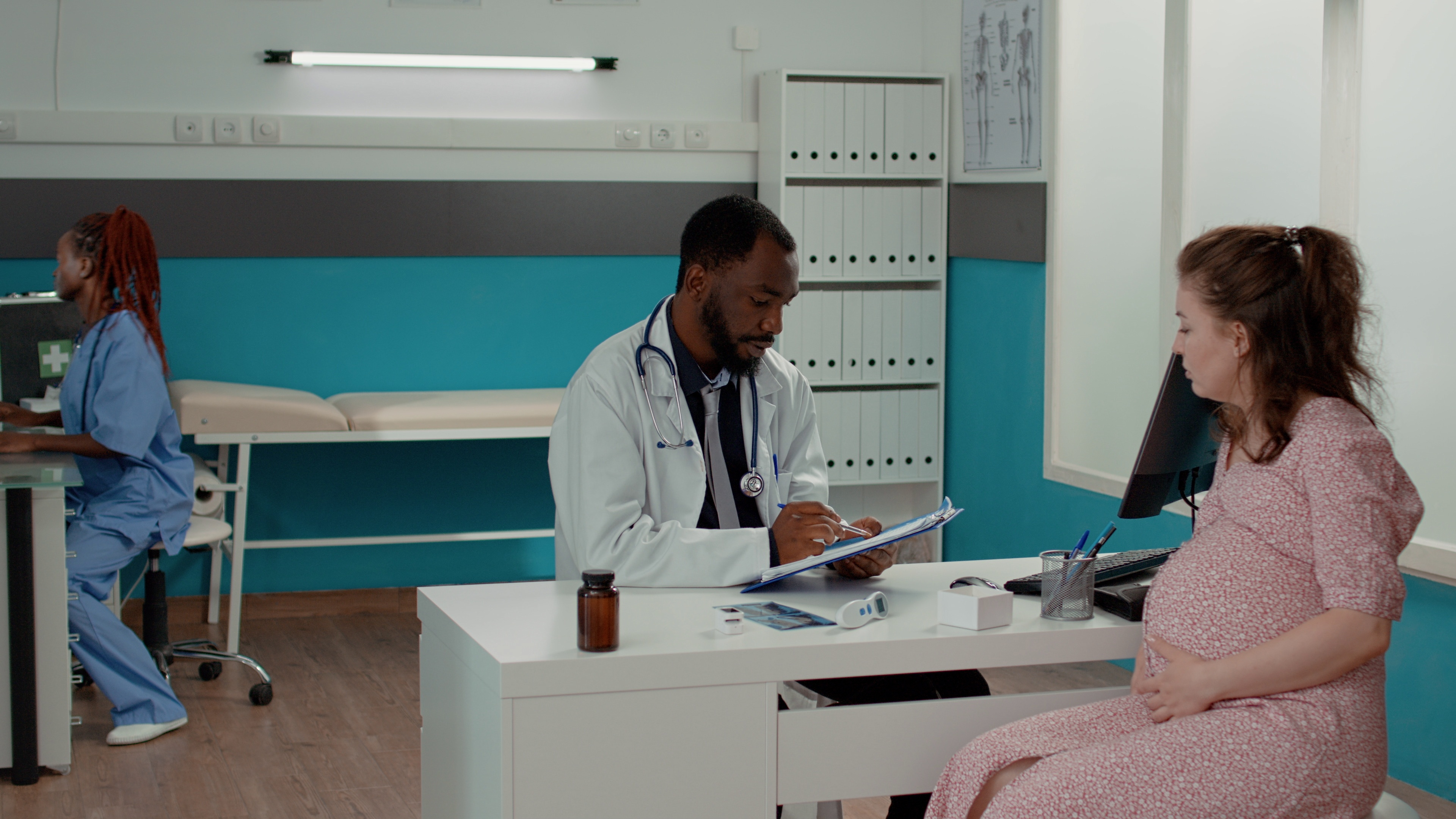
What a Preventive Care Visit Should Include (That Most People Never Get)
What a Preventive Care Visit Should Include (That Most People Never Get)
Preventive care is supposed to help you stay healthy—not just tell you what’s already wrong.
But many “annual physicals” end up feeling rushed: a quick blood pressure check, maybe a basic lab panel, and a “see you next year.” If that’s been your experience, you’re not alone.
A truly thorough preventive visit looks at your whole health picture: your daily habits, your risks, your goals, and a plan for what to screen for—and when. Here’s what it should include, so you know what to ask for.
1) A clear agenda (so you’re not rushed or dismissed)
A strong preventive visit starts with agreement on what you’re there for. That means your clinician should:
- Confirm the visit’s purpose (prevention + long-term health planning)
- Ask what you want to focus on (energy, weight, stress, sleep, hormones, heart health, etc.)
- Review your top concerns and questions
- Explain what will happen today and what can be scheduled later
This sounds simple, but it changes everything. When there’s a plan, you leave with answers—not confusion.
2) A real lifestyle review (not just “diet and exercise?”)
Lifestyle is not a side note. It’s the foundation. A thorough visit should include specific questions about:
- Food patterns (not just “good” or “bad” foods)
- Movement (how often you move and what your body can tolerate)
- Alcohol, nicotine, vaping, and other substances
- Caffeine and hydration
- Work schedule (especially shifts) and daily routine
A helpful clinician won’t shame you. They’ll help you pick realistic next steps—like adding protein at breakfast, walking 10 minutes after dinner, or strength training twice a week.
3) A risk-factor check that goes beyond family history
Family history matters, but it’s not the whole story. A high-quality preventive visit should look at your personal risk factors, including:
- Blood pressure trends over time
- Waist circumference and weight changes
- Past pregnancy history (like gestational diabetes or preeclampsia)
- Tobacco exposure (including secondhand smoke)
- Cholesterol patterns and heart disease risk
- Diabetes risk (including prediabetes)
- Bone health risks (especially as we age)
- Mental health and social support
This is where prevention becomes personal. Two people can have the same lab results—but different risks based on their full story.
4) Vital signs and “metabolic health” done the right way
Your vital signs aren’t just numbers. They’re clues.
A thorough preventive visit should include:
- Accurate blood pressure (seated, correct cuff size, not rushed)
- Heart rate
- Weight and BMI (with context, not judgment)
- Discussion of metabolic health: blood sugar, insulin resistance, cholesterol, and inflammation
If your blood pressure is high (or borderline), you should leave with a plan: home monitoring, lifestyle steps, and follow-up—not just a shrug.
If you want to learn more about ongoing support for blood pressure, you can explore care options for hypertension management.
5) Labs that match your needs (not a one-size-fits-all panel)
Many people get either too few labs—or a random “everything” panel that isn’t explained.
A better approach is targeted testing with clear reasons and clear follow-up. Common lab topics in a preventive visit may include:
- Lipid panel (cholesterol)
- Blood sugar testing (fasting glucose and/or A1c)
- Kidney and liver function
- Thyroid screening when symptoms or history suggest it
- Iron and B12 when fatigue, heavy periods, or dietary limits are present
- Vitamin D (often low in winter climates)
The most important part: your clinician should explain what the results mean and what you’ll do next. “Normal” doesn’t always mean “optimal for you.”
6) Sleep and stress screening (because they affect everything)
Sleep and stress can change your weight, mood, blood pressure, and blood sugar. They also affect pain, digestion, and hormones.
A thorough preventive visit should include questions like:
- How many hours are you sleeping—really?
- Do you wake up rested?
- Do you snore, choke, or stop breathing at night?
- How’s your stress level day to day?
- Are you feeling anxious, down, or burned out?
If sleep apnea is possible, your clinician should discuss testing options. If stress is high, you should be offered practical tools and support—like counseling options, mindfulness, movement, or structured behavior changes.
7) A personalized cancer screening plan (with dates)
This is a big one. Many people aren’t sure what they’re due for—or they get told vaguely to “schedule a mammogram.”
A thorough visit should produce a clear screening plan based on your age, sex, risks, and history. It may include discussion of:
- Breast cancer screening (mammograms)
- Cervical cancer screening (Pap/HPV)
- Colon cancer screening (colonoscopy or stool-based testing)
- Lung cancer screening (for some current/former smokers)
- Skin cancer checks when appropriate
You should leave knowing:
- What screening you need
- When you need it
- How to schedule it
- What symptoms should trigger sooner evaluation
8) Immunizations and infection prevention (especially in winter)
Preventive care also includes reducing your risk of serious infections.
A thorough visit should review vaccines you may need, such as:
- Flu
- COVID-19
- Tdap (tetanus/pertussis)
- Shingles (age-based)
- Pneumonia (age and risk-based)
Winter wellness in Northeast Ohio: extra prevention that matters
In NE Ohio, winter adds real challenges: less sunlight, more time indoors, and more viral spread.
Practical winter wellness topics that may come up in a great preventive visit:
- Vitamin D habits and safe supplementation if needed
- Movement plans that work when it’s icy (home strength workouts, mall walking, stretching)
- Mood changes (seasonal depression can be subtle)
- Asthma flare-ups and dry-air triggers
- Hand hygiene and sick-day planning
Prevention isn’t just about tests—it’s also about staying well through the season you’re in.
9) Medication and supplement review (to avoid hidden problems)
Even “normal” meds can cause side effects, interactions, or nutrient issues. A thorough visit should include:
- A review of every prescription and over-the-counter medication
- Supplements (including dose and brand if possible)
- Side effects you might be ignoring (fatigue, reflux, constipation, low libido)
- Whether any medication can be reduced, replaced, or simplified
Bring your bottles or a list on your phone. This step alone can prevent a lot of problems.
10) A prevention plan you can actually follow
The best preventive visit ends with a plan, not a lecture.
You should leave with:
- 1–3 priorities (not 12)
- Specific next steps (what, when, and how)
- Follow-up timing (and what you’re watching for)
- Referrals or testing orders when needed
If nothing changes after the visit, it wasn’t really preventive care—it was paperwork.
Dr. Leslee’s approach: thorough, personal, and practical
Dr. Leslee’s approach to preventive care is built around listening first, then connecting the dots. Instead of treating your health like a checklist, she focuses on what’s going on in your real life—your routines, stress load, symptoms, and goals—so your plan fits you. That can mean digging deeper into sleep, metabolic health, and risk factors, then creating a clear, step-by-step path forward you can actually maintain.
If you want to learn what prevention-focused visits can look like, you can read more about preventive care at Monarch Ideal Care and how it fits within their broader primary care services.
When to ask for more (or schedule sooner than “next year”)
A preventive visit is a great start, but some situations deserve earlier follow-up. Reach out sooner if you have:
- Blood pressure readings consistently above 130/80 at home
- New chest pain, shortness of breath, or fainting
- Unexplained weight loss or weight gain
- Severe fatigue that lasts more than a few weeks
- Heavy bleeding, bleeding after menopause, or pelvic pain
- New depression, anxiety, or panic symptoms
- Sleep issues that affect daily life
Prevention includes catching change early.
Closing: a better preventive visit is possible
You deserve a preventive care visit that looks at your whole health—labs and lifestyle, stress and sleep, risks and goals—plus a clear screening plan you can trust.
If you’d like a more personalized, relationship-based approach, Monarch Ideal Care offers patient-centered primary care. You can schedule a Meet & Greet to see if it’s a good fit and talk through what you want from your care moving forward.
