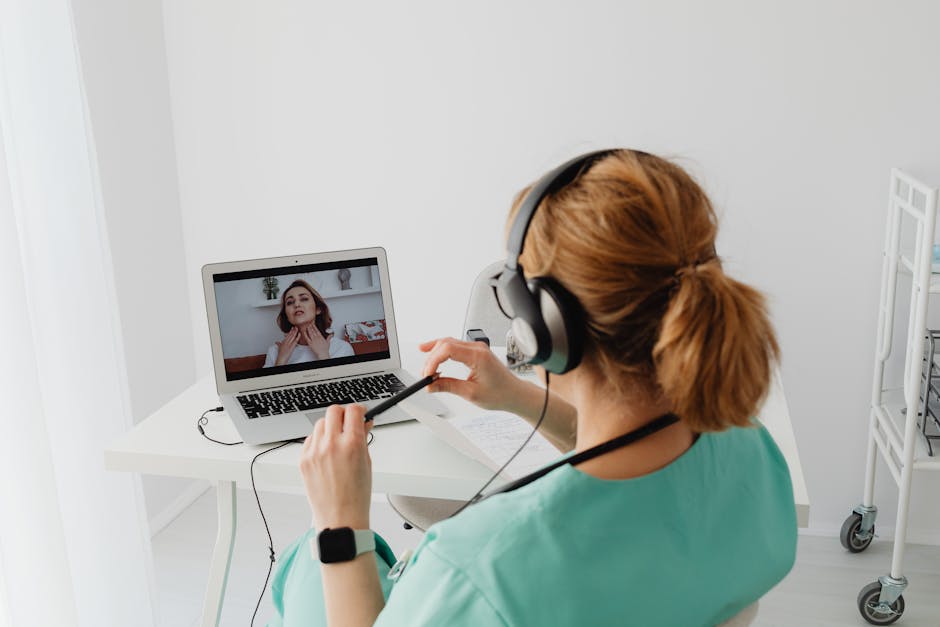
Telehealth in Akron: When Virtual Care Works (and When You Need In-Person)
Telehealth in Akron: When Virtual Care Works (and When You Need In-Person)
Telehealth has changed how many people get care—especially when you’re busy, not feeling well, or trying to avoid unnecessary exposure to germs. A video visit can be a safe, convenient way to talk with a primary care provider, review symptoms, and make a plan.
But telehealth isn’t the right fit for every problem. Some symptoms truly need a hands-on exam, testing, or urgent evaluation.
This guide will help you understand:
- When telehealth usually works great
- When an in-person visit is the safer choice
- What to expect from a virtual visit
- How to make telehealth work well for you
What telehealth can (and can’t) do
Telehealth is a medical visit done by video or phone. Many concerns can be handled safely with careful questions, visual assessment (when possible), and shared decision-making.
Telehealth is often helpful for:
- Talking through symptoms and your history
- Reviewing home readings (like blood pressure or blood sugar)
- Medication refills and adjustments
- Planning next steps (labs, imaging, referrals, or an in-person exam)
Telehealth is limited when a provider needs to:
- Listen to your heart and lungs
- Press on your abdomen to check for tenderness
- Look in your ears or throat with special tools
- Check your neurologic reflexes or strength in detail
- Do point-of-care tests (like strep, flu, COVID, urine tests)
A good telehealth visit is still real medical care—but it works best when expectations are clear and safety comes first.
Best telehealth use cases (common reasons virtual care works well)
In many situations, a virtual visit can be the most efficient first step. Here are some of the most common “good fits.”
1) Cold, flu, COVID, and mild respiratory symptoms
Telehealth often works well when symptoms are mild to moderate and you don’t have warning signs.
Examples:
- Congestion, runny nose, sore throat (without severe swelling)
- Cough that’s not causing shortness of breath
- Fever that responds to medication
- Questions about testing, return-to-work notes, or home care
Your provider can help you decide whether you need testing, prescription medication, or just supportive care.
2) Allergies and sinus symptoms (when not severe)
Seasonal allergies and mild sinus symptoms often respond well to a virtual visit, especially if you’ve had similar issues before.
Telehealth can help with:
- Reviewing your symptoms and timeline
- Choosing safe over-the-counter options
- Deciding if symptoms sound more viral vs allergic
- Identifying when you might need an in-person exam
3) Skin concerns you can show on camera
Many rashes, acne flares, mild infections, or insect bites can be evaluated well by video—especially if lighting is good.
Tips that help:
- Take clear photos ahead of time (natural light is best)
- Include a “close-up” and a “zoomed-out” photo for scale
- Tell your provider what you’ve tried so far
4) Medication refills and medication questions
Telehealth is a great option for:
- Refilling stable medications
- Reviewing side effects
- Adjusting a dose based on home readings
- Discussing interactions with new over-the-counter medicines
This includes many common primary care medications, depending on your situation and state rules.
5) Mental health support and stress-related concerns
Virtual visits can be very effective for concerns like:
- Anxiety or depression symptoms
- Sleep issues (especially insomnia)
- Stress, burnout, and life transitions
- Medication follow-ups
For many patients, telehealth feels more comfortable and private—and it removes the barrier of travel time.
6) Chronic condition check-ins (when you have home data)
If you track numbers at home, telehealth can be a strong tool for ongoing care.
Common examples:
- Blood pressure follow-ups
- Diabetes check-ins (home glucose logs)
- Weight management conversations
- Reviewing lab results and making a plan
For education on how primary care supports ongoing health, you can explore Monarch Ideal Care’s primary care services.
When you should choose in-person care (because a physical exam matters)
Sometimes the difference between “probably okay” and “needs treatment now” is something that can only be found through a physical exam or testing.
In-person visits are often the better choice for:
- Ear pain (possible ear infection)
- Strep throat concerns (often needs a throat exam + test)
- Abdominal pain (especially new or worsening)
- New joint swelling, significant injury, or possible fracture
- Pelvic pain, new vaginal bleeding, or possible infection
- A new lump, breast concern, or unexplained swelling
- Persistent symptoms that haven’t improved with initial treatment
Telehealth can still be a helpful starting point in these cases—but be prepared that your provider may recommend you come in, get labs/imaging, or go to urgent care.
Safety first: red flags that need urgent in-person evaluation
Some symptoms should not be handled only through telehealth.
Seek urgent in-person care (ER/911 depending on severity) if you have:
- Chest pain, chest pressure, or pain spreading to the arm/jaw
- Trouble breathing, severe shortness of breath, or blue lips/face
- Fainting, severe dizziness, or confusion
- Signs of stroke (face drooping, arm weakness, speech trouble)
- Severe allergic reaction (swelling of lips/tongue, trouble breathing)
- Severe abdominal pain, especially with fever or vomiting
- Uncontrolled bleeding
- Severe dehydration (can’t keep fluids down, very little urination)
- Suicidal thoughts, self-harm thoughts, or feeling unsafe
If you’re not sure, it’s okay to ask. A telehealth provider can help direct you to the safest next step—but for red flags, don’t wait.
What to expect during a telehealth visit
A good virtual visit is structured and focused. Expect your provider to ask detailed questions, like:
- When symptoms started and how they’ve changed
- What makes them better or worse
- Your medical history and medications
- Any recent exposures (illness, travel, food, new products)
- Any warning signs (like chest pain or shortness of breath)
Depending on your concern, your provider may also:
- Ask you to check your temperature, pulse, or oxygen level (if you have tools)
- Ask you to show a rash, your throat, or breathing pattern on camera
- Recommend home care, prescribe medication, or order testing
- Suggest an in-person visit when needed for safety
If you want more details on how virtual care works, Monarch Ideal Care has a helpful overview of telehealth visits and what they can cover.
How to get the most out of telehealth (simple prep that helps)
A little setup can make a big difference.
Before your appointment:
- Write down your top 2–3 concerns so nothing gets missed
- List your medications (including vitamins and supplements)
- Have a recent blood pressure or temperature reading if available
- Test your camera and audio
- Find a quiet, well-lit space
During the visit:
- Be specific about symptoms (how often, how severe, what it stops you from doing)
- Share what you’ve already tried
- Ask, “What would make this an emergency?” so you know the red flags
- Confirm the plan: what to do today, what to watch for, and when to follow up
A note about “insurance-based primary care” and telehealth
In insurance-based primary care, telehealth is often used to improve access and reduce delays—especially for quick follow-ups, medication questions, and early symptom checks.
Still, the goal is the same as any visit: safe care, clear communication, and the right next step. Sometimes that next step is a prescription and home care. Other times, it’s an exam, a test, or hands-on treatment.
Dr. Leslee’s approach: practical care, clear expectations, and safety
Dr. Leslee’s approach to telehealth is simple: meet you where you are, take your symptoms seriously, and make a plan that is safe and realistic. That means being honest about what can be handled virtually and what needs an in-person exam. It also means explaining the “why” behind recommendations, so you feel confident—not rushed or unsure—about your next step.
Closing: you don’t have to guess—get the right level of care
Telehealth can be a great tool when it’s used for the right concerns and with clear safety boundaries. If you’re in Akron and you’re not sure whether your issue fits better in a virtual visit or an in-person appointment, you’re not alone—and you don’t have to figure it out by yourself.
If you’d like a patient-centered primary care team that can help you choose the safest next step, Monarch Ideal Care offers both virtual and in-person options. You can schedule a Meet & Greet to ask questions, talk through your needs, and see if it’s a good fit.
